Mud and Silt Muck-Out
When the water drops it leaves silt on floors, under cabinets and inside walls, and that mud gets shoveled and squeegeed out first.
- Trash pumps for standing silty water
- Shovel, scrape and squeegee mud-out
When a river crests or a storm drain backs up into the street, the water that pushes inside brings silt, sewage and oil along. Call Water Heater Repairer and we connect you with a licensed and insured independent contractor who handles floodwater around Wyandanch.
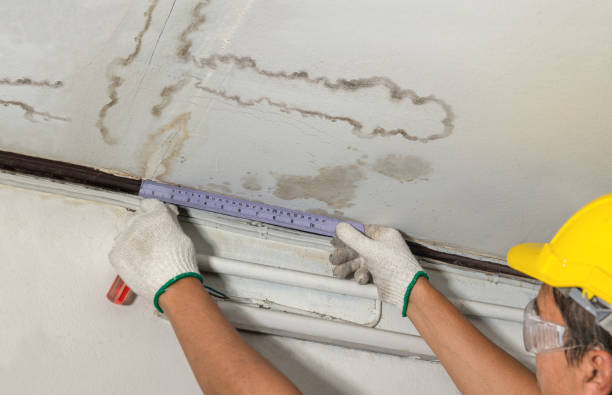
A flooded house is a different job from a leaking pipe, and the contractor you get should treat it that way from the first hour.
Calls go to independent contractors who carry their own licensing and liability coverage and who work Category 3 water regularly.
During a widespread flood we work down a list of nearby crews to find open capacity, so you are not stuck waiting on one callback.
The contractor walks the wet rooms, marks the flood line, and puts the muck-out and tear-out scope in writing before a single wall gets cut.
Expect trash pumps for silty water, flat shovels and squeegees for mud, pressure washers, sprayers for disinfectant, and moisture meters to find where the wicking stopped.
Flood calls are triaged differently from other water jobs. We ask how long the water stood, whether it came from a river, creek or street runoff, and whether there is still water in the basement or crawlspace. That tells the contractor whether to bring trash pumps and a demolition crew or start with mud shovels and a pressure washer.
Many contractors in the network are IICRC-trained, and you are always free to ask for credentials and proof of insurance on arrival.
Flood cleanup always runs in the same order: remove the mud, remove the soaked porous materials, clean the surfaces that remain, then dry.
When the water drops it leaves silt on floors, under cabinets and inside walls, and that mud gets shoveled and squeegeed out first.
The pro snaps a line above the water mark, cuts the drywall below it, and pulls the wet batts or cellulose so the studs can breathe.
Mattresses, upholstered furniture, carpet and pad that sat in floodwater usually cannot be saved, so they get photographed and carried to the curb.
Concrete, studs, tile and other hard surfaces get pressure-washed and then treated with an antimicrobial to deal with the bacteria floodwater carries.
Power stays off until a licensed electrician inspects the panel and wet circuits, and any ductwork or furnace that sat in water is flagged for HVAC review.
The flood smell comes from silt and soaked organic material left in the walls and under the floors, so it fades only after those are removed and the framing dries. Drying equipment is set after demolition, never in place of it.
Tell us how high the water got, whether it has receded, and whether the power is still on, and we start checking which nearby flood contractors have room.
The contractor arrives with pumps, mud tools and PPE, and checks that the structure and electrical are safe before the crew moves through it.
Expect the flood line measured, meter readings taken above it, every room photographed, and a written price for mud-out, tear-out and wash-down.
After demolition and wash-down, air movers and dehumidifiers run until the framing reads dry, and you receive the moisture log and photo set.

Once the water goes down, most owners expect the worst to be over, then they open the door to mud on everything and a smell that hits hard. The mud is more than dirt. It carries whatever the water passed over, from septic fields and farm runoff to gasoline from flooded cars.
Wall cavities are the part people miss. A wall may look normal from the room while the batts behind it stay soaked and pressed against the framing. If it stays, it goes sour fast and becomes a food source for mold. That is why flood cuts are standard on these jobs rather than an upsell.
Most standard homeowners policies exclude flood from rising outside water. Coverage usually comes through an NFIP policy or a private flood policy, so call your agent to confirm what you actually have. Either way, the adjuster will want proof of what was damaged before it left the house.
The contractor's photo log, moisture readings and a room-by-room list of discarded items all help your claim move. Ask for those records in writing at the end of the job. If the adjuster has not visited yet, ask your carrier whether cleanup can start, since waiting weeks with wet walls only makes the loss bigger.
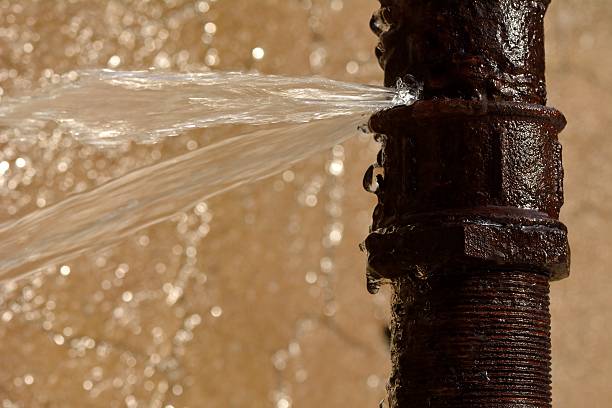
The smell gets worse every day mud sits in the walls.
Our backyard creek rose overnight and put two feet of water in the den. I tried four outfits on my own and hit voicemail each time, but one call here got a crew to me by the next morning. By afternoon the walls were cut above the mud line and the couch and carpet were at the curb.
Runoff from the street came under the garage door and into our laundry room. The contractor would not plug anything back in until an electrician checked the panel, which annoyed me at first and made total sense later.
I own a small storefront and the flash flood left an inch of silt across the sales floor. The crew mucked it out, pressure-washed the slab and gave me a photo log I sent straight to my flood carrier. By the end of that week the odor had cleared.
Once the river went down, our whole road had debris piles out front and no one could find help. The dispatcher was straight with me that the first opening was two days out, and the crew showed up exactly when they said. They found wet insulation in walls I thought were fine.
Outside floodwater is classed as Category 3 from the start, because it is presumed to hold sewage, fuel and bacteria. Hauling small items is one thing, but tearing out soaked drywall and insulation without gloves, boots and a respirator is a real exposure risk.
Water climbs drywall past the stain you can see, so the cut normally sits at least a foot over the waterline. The pro checks readings with a meter first and sets the cut where the wall reads dry.
Usually not, because most homeowners policies exclude damage from rising outside water. Flood claims normally go through NFIP or a private flood carrier, so check with your agent which policy you have before the job begins.
Not until a licensed electrician has inspected the panel and any outlets, wiring or appliances that went under. Any furnace, water heater or duct run that sat in water should also be inspected before it goes back into service.
Hard, non-porous items like metal, glass and sealed tile can usually be cleaned and disinfected. Soaked carpet, pad, mattresses, stuffed furniture and particleboard are typically documented with photos and then thrown out.
When a whole area floods, every house calls the same handful of contractors on the same morning. We work through multiple nearby contractors to find an opening, so the earlier you call, the sooner you get a slot.
We route flood cleanup calls throughout Wyandanch, from low-lying streets near the water to neighborhoods where storm drains overflow. Zip codes covered include 11798 plus the surrounding zip codes.
Older homes on low ground, finished basements and slab houses near creeks all get covered.
Contractors in the network also reach surrounding suburbs and outlying towns around Wyandanch.
Storefronts, offices and rental buildings with ground-floor flooding can be routed too.
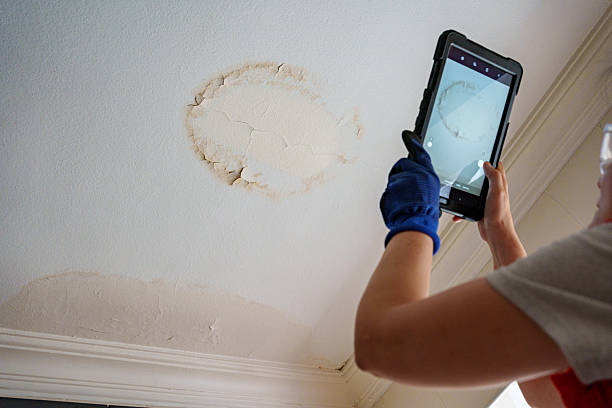
Call Water Heater Repairer for flood cleanup in Wyandanch, NY any hour.
